
AMVR FC4A Review: Better Value for Fan-Cooled Halo Straps
The FC4A keeps the comfort of AMVR’s FC4 while opening the forehead area for fan-equipped halo straps—and costs considerably less.
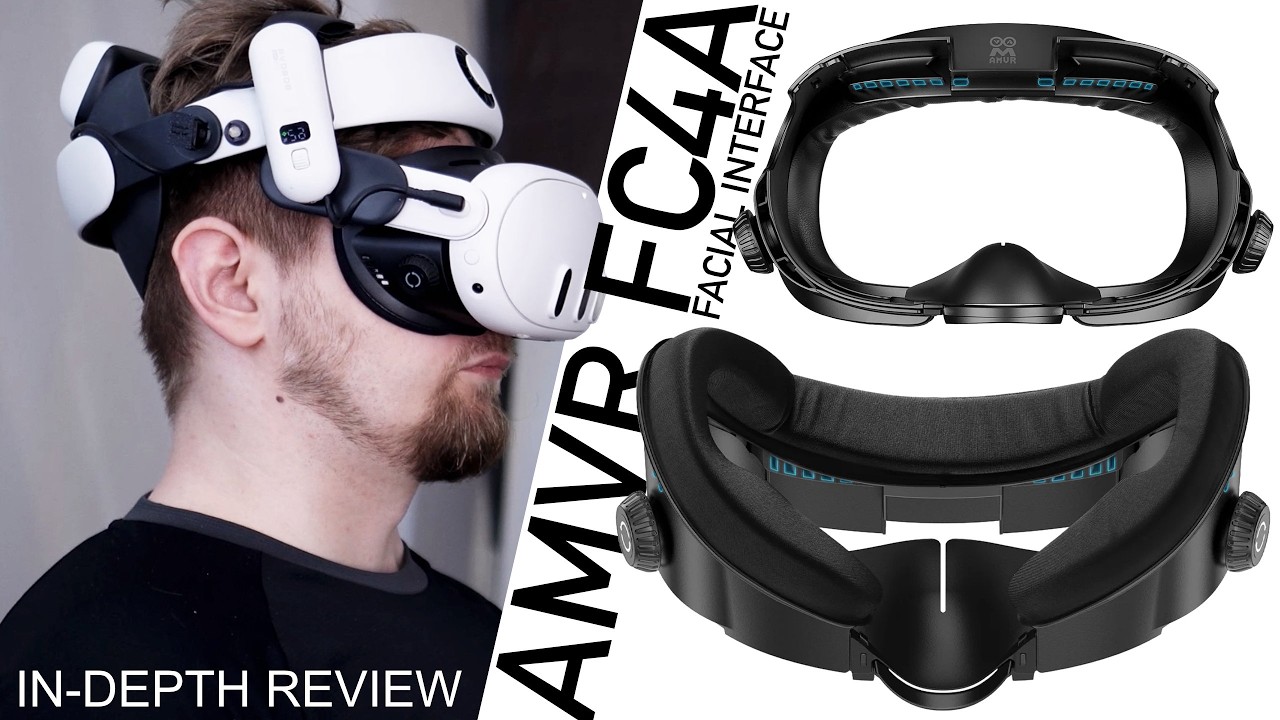
Want the full version? The video review includes all the demonstrations, comparisons and extra details that are easier to show than describe.
Watch the full review on YouTubeDisclosure: The review unit was sent to me for free by AMVR. I use affiliate links always when they are available. If you buy through one of them, I may earn a commission at no extra cost to you.
Quick verdict
The AMVR FC4A is a less expensive variation of the FC4 facial interface designed specifically for halo straps with a fan. The plastic base and ice-silk fabric pad are essentially the same as the FC4, but the forehead section is much thinner. That extra opening lets air from a strap-mounted fan reach more of the face instead of cooling only the forehead.
It works, but the effect depends heavily on fit and angle. On my face, the airflow was noticeable but not dramatic when I positioned the headset for the comfort and field of view I prefer. It is weaker than the dedicated fan in the KKCOBVR K3 and weaker than the extremely open Globular Cluster F3-S, although it allows more airflow than BOBOVR’s F3 interface.
The biggest advantage is price. At roughly $25–26 in the video, the FC4A was substantially cheaper than the original FC4 while providing the same comfort.
Pros
- Thin forehead section allows air from a halo-strap fan to reach the face
- Additional, standard PU-leather pad in the box
- More ventilation than BOBOVR F3
- Top light leakage was rarely noticeable in normal use
- Much better value than the original FC4 at the prices tested
Cons
- Airflow changes substantially with headset angle and facial fit
- Cooling is weaker than a facial interface with its own fan
What changed from the FC4?
Most of the FC4A is familiar. The plastic structure is the same, and the PU-leather pad feels the same. The visible change is the very thin forehead area. Compared with the regular FC4, it leaves a much larger path between the forehead and interface.
With a fan-equipped halo strap such as the BOBOVR S3 Pro, that opening lets some of the air move down toward the face. With the normal FC4, very little air passes through unless the visor is moved so far away that field of view becomes unnecessarily small.
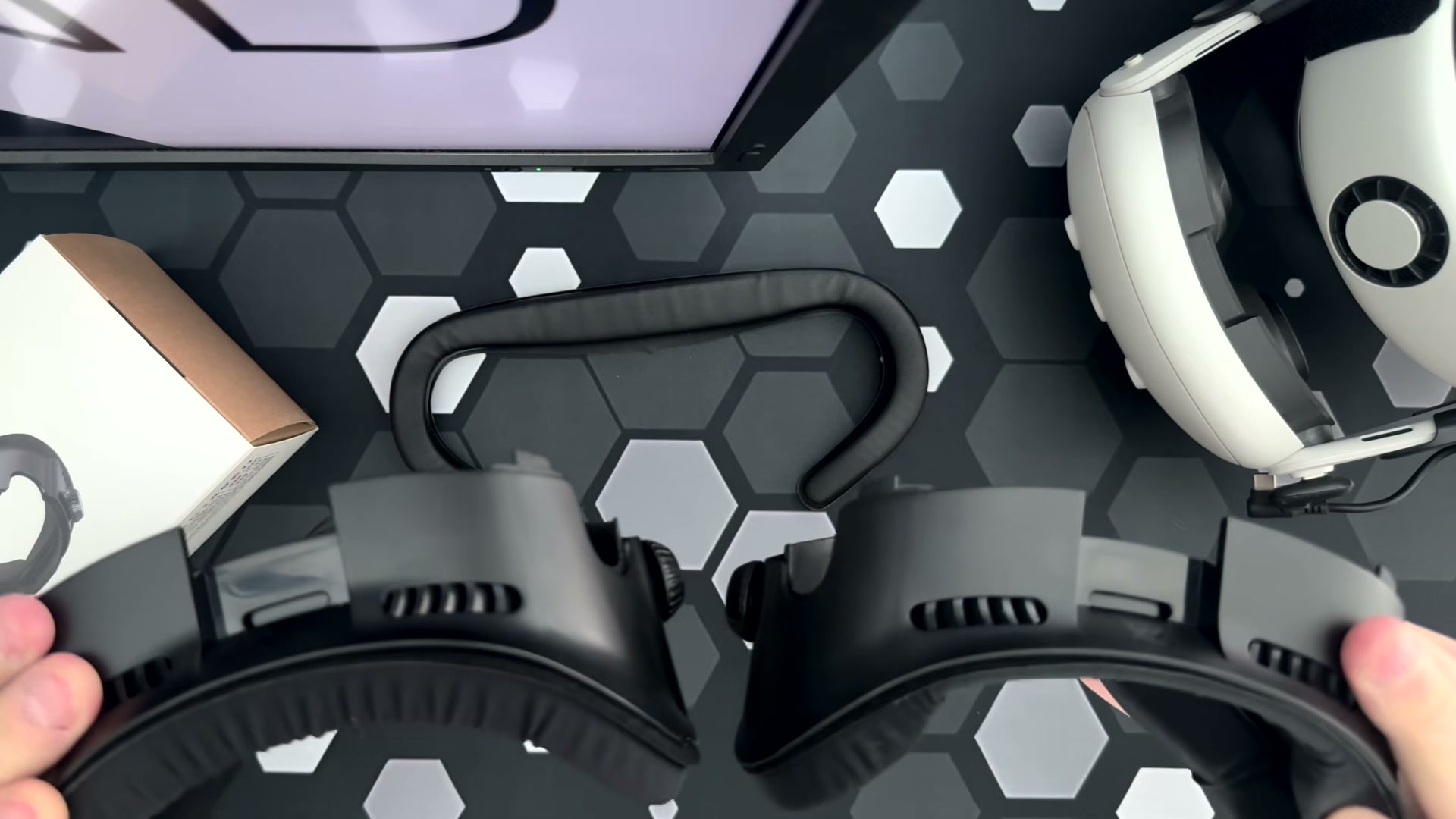 The FC4A and FC4 shown side by side during the video comparison.
Comfort and fit
Both the FC4 and FC4A were comfortable on my face. My face is relatively small, so I could pull the FC4A close enough for the upper pad to touch my forehead. People with wider faces should naturally retain a larger air gap.
That also explains why airflow will vary between users. Pulling the visor closer, moving it farther away or changing its angle can increase the cooling, reduce it or nearly block it. In the position I found most comfortable—with a wide field of view—the airflow was present but not a game changer.
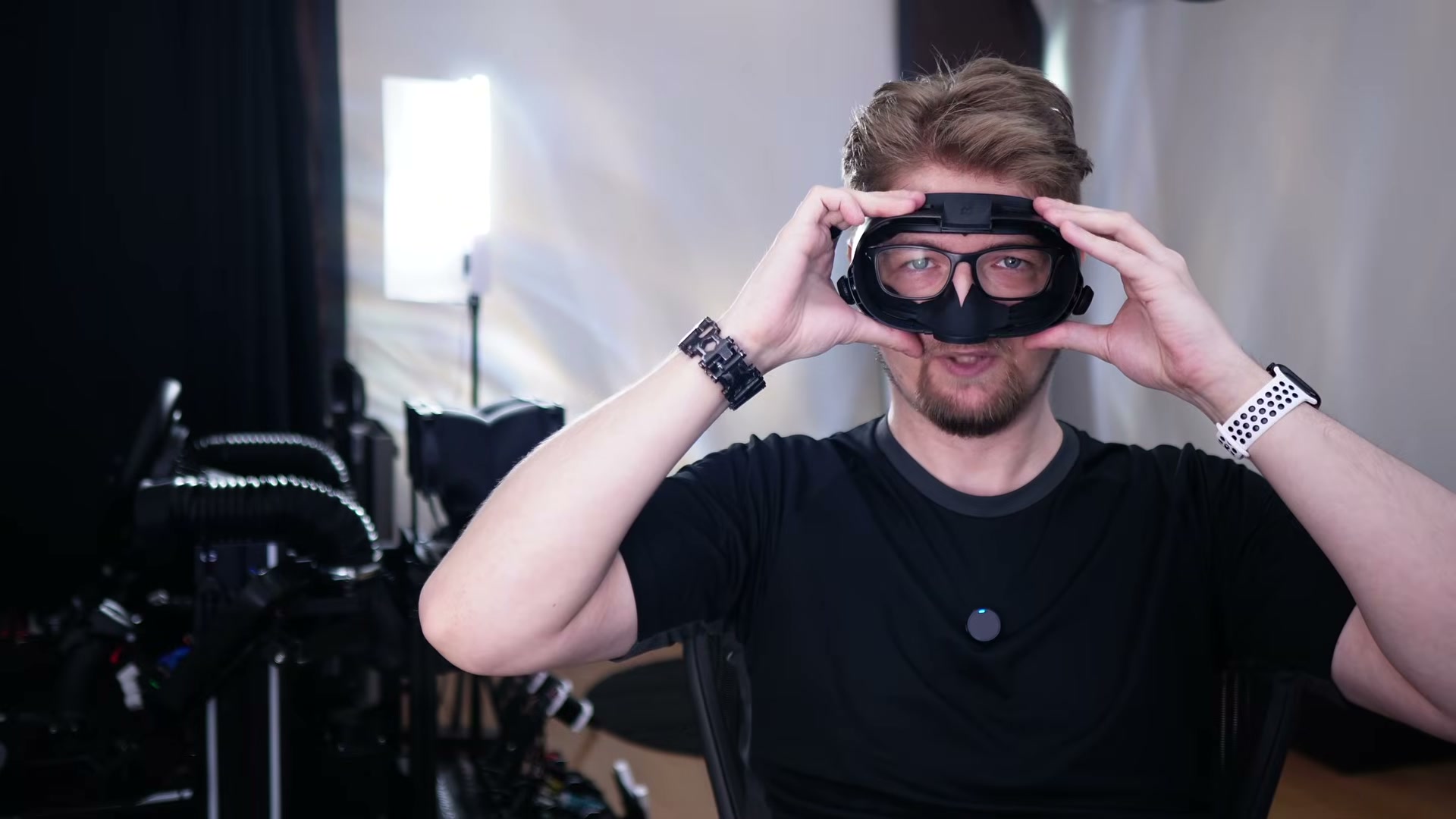 The FC4A fitted on the Quest 3 while I checked the fit on my face.
Cooling compared with other interfaces
The FC4A should not be mistaken for a powered facial interface. The KKCOBVR K3 has its own fan and produces substantially stronger airflow. The Globular Cluster F3-S is an open light blocker rather than a normal facial interface, so it also lets much more air reach the face.
Compared with BOBOVR F3, however, the FC4A’s larger opening moved more air. The BOBOVR interface uses smaller ventilation spaces and is designed differently.
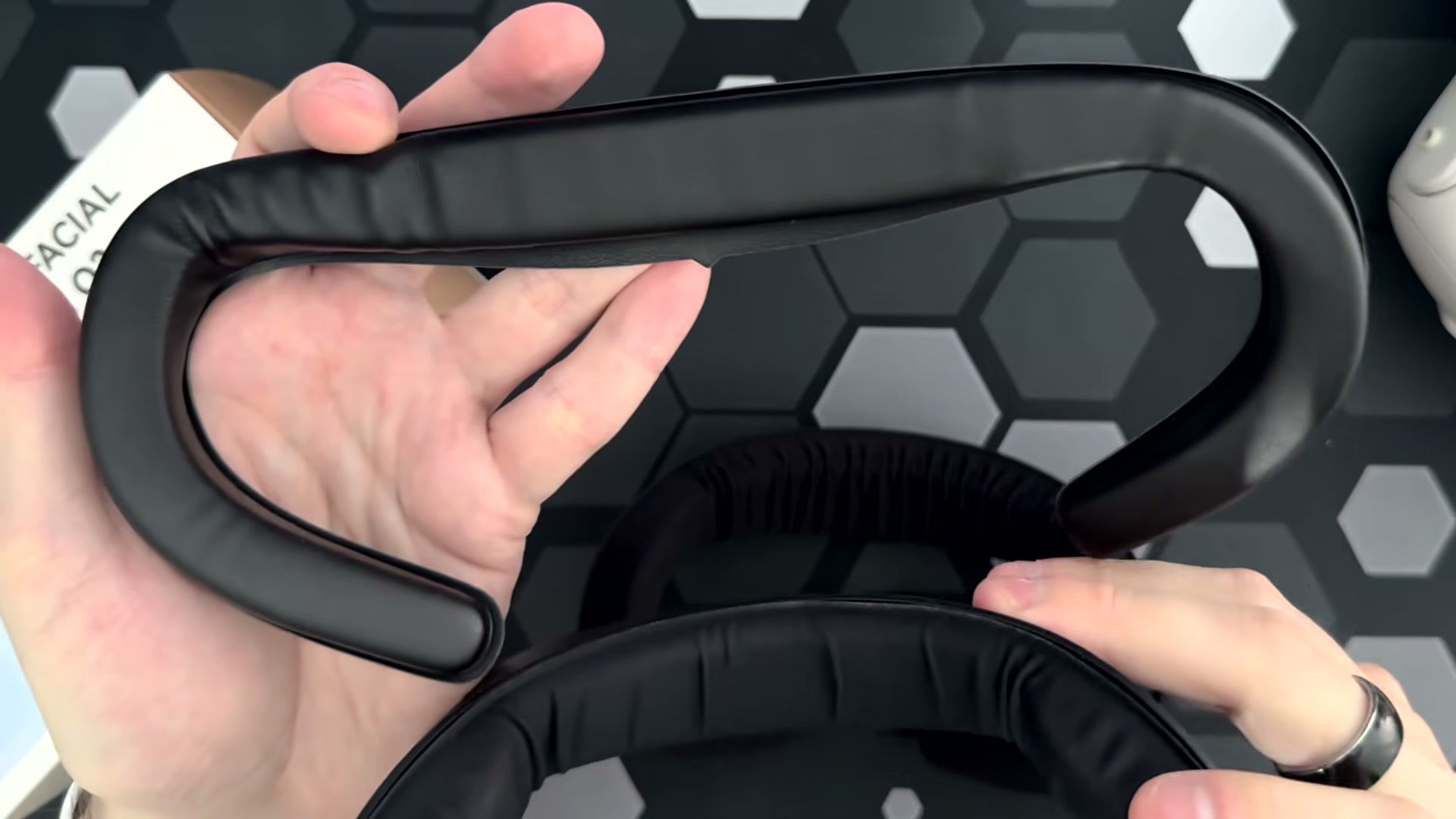 Close-up of the FC4A pad and interface during the video.
Light leakage
The open forehead area looks as if it should let ceiling light into the headset, but this was almost never a practical problem. Even when light appeared above the interface, I had to look upward to notice it. Light around the nose or directly in front of the eyes is considerably more distracting.
 The FC4A’s open forehead section, which leaves a larger path above the face.
Does it help without a fan?
Without a fan, I would not expect a major cooling difference between FC4 and FC4A. The open area should still improve passive ventilation and may help users who struggle with lens fogging, but I could not test that properly because fogging has not been a problem for me on Quest 3.
Should you buy it?
At the prices shown in the video—about $26 for FC4A, versus $40 list price and roughly $33 promotional pricing for FC4—the FC4A is the obvious value choice. The original FC4 was comfortable but overpriced. The FC4A solves the pricing problem while preserving the experience.
Choose it for a compatible halo strap, especially one with a fan. For an elite-style strap, use an interface designed for that geometry instead. AMVR’s FC3 is the more appropriate option; the older FC2 lacks the adjustment knobs and other improvements found in the newer designs.
Watch the original video review
Interested in AMVR FC4A?
These are the same affiliate links I use below my YouTube videos. They cost you nothing extra and help support the channel.